

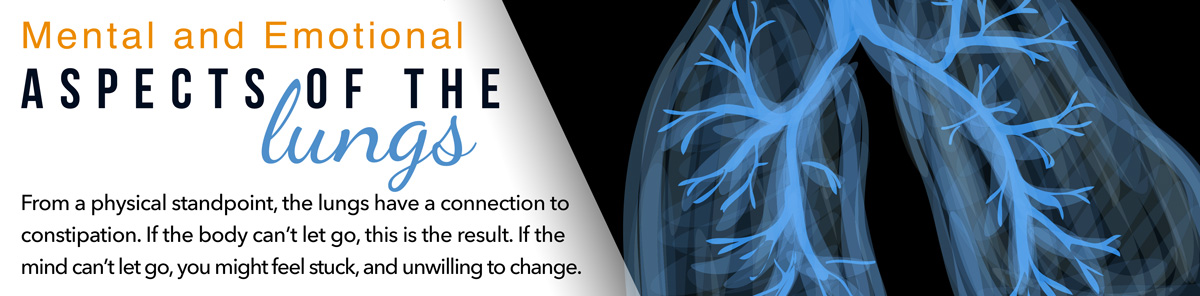
As an acupuncturist, I am constantly assessing. Before my patients answer a single question, I am taking in cues as to what types of imbalances might be going on. In five-element acupuncture, the five major organ systems are the kidney, liver, lung, heart and spleen. When any of these systems are out of balance, certain physical, mental and emotional issues can manifest. Even if you aren’t experiencing a specific health issue, however, you will likely display particular personality traits that fall within these five organ systems. In the five-element world, the lungs are connected to the element of metal. continue reading
 Stress is something that affects everybody. Stress is defined as a state of mental or emotional tension or strain resulting from demanding or adverse circumstances. This can result in a multitude of symptoms, including headaches, muscle tension, pain, insomnia, worry, anxiety, depression and even disease. And according to a recent survey, nearly 77 percent of all Americans regularly experience physical or psychological symptoms caused by stress (American Institute of Stress, May 2017).
  Stress is a word many people are familiar with. The dictionary defines stress in multiple ways, but there is only one that matters when we discuss how stress affects our physical bodies. The definition is this, “stress is a physical, chemical or emotional factor that causes bodily or mental tension.” And while most people think of stress as being detrimental, it truly does have a function in our bodies. Stress is the body’s way of signaling for help or a break in the routine. If we don’t listen to these signals, we can develop imbalances in our bodies, which can then lead to illnesses.
  Acupuncture is part of a medical system that dates back nearly 3,500 years. This medical system is known as Traditional Chinese Medicine or TCM. TCM acknowledges not four but five seasons. The fifth season, Indian Summer, occurs in late August through mid-September. Each season in TCM has a pair of organs or energetic pathways it corresponds to. For Indian Summer, these pathways are those of the spleen and stomach.